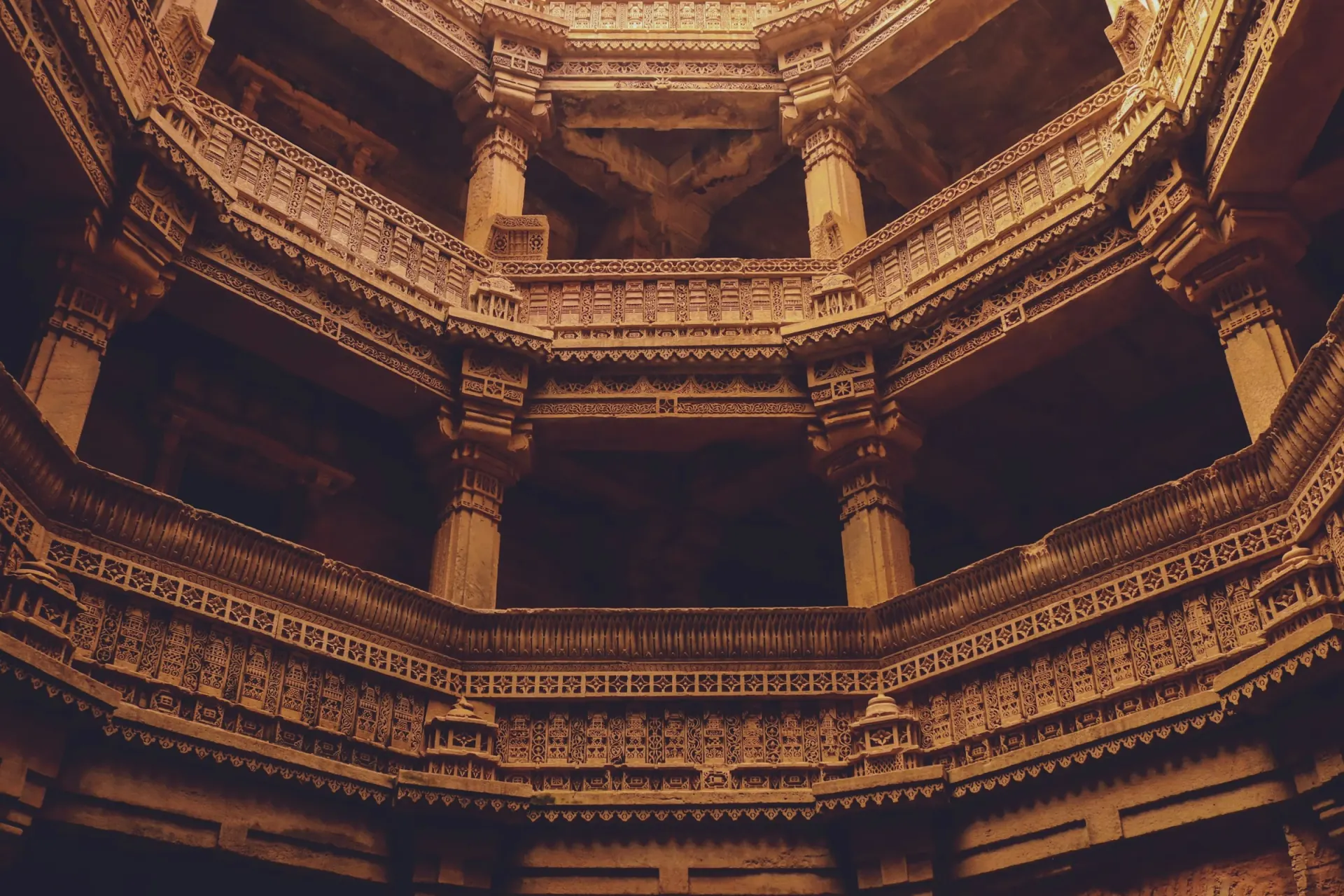
 भ
Discovering
Bharat
भ
Discovering
Bharat
A country older than
its name.
Five thousand years of memory still in motion. Birthplace of four of the world's religions, home to one in every six humans alive. In its own languages, the country calls itself Bharat.
Two names. One country.
India is the name most of the world uses. Bharat is what the country uses for itself, in its own languages, since before English was a language. It's in the Rigveda. It's in the Mahabharata. It's in Article 1 of the Constitution. We open with the older name not as a correction, but because at this depth, a place deserves its own.
विख्यातम्
Bharat is plural.
One country. Many doors. None of them the front.
Where the
map ends.
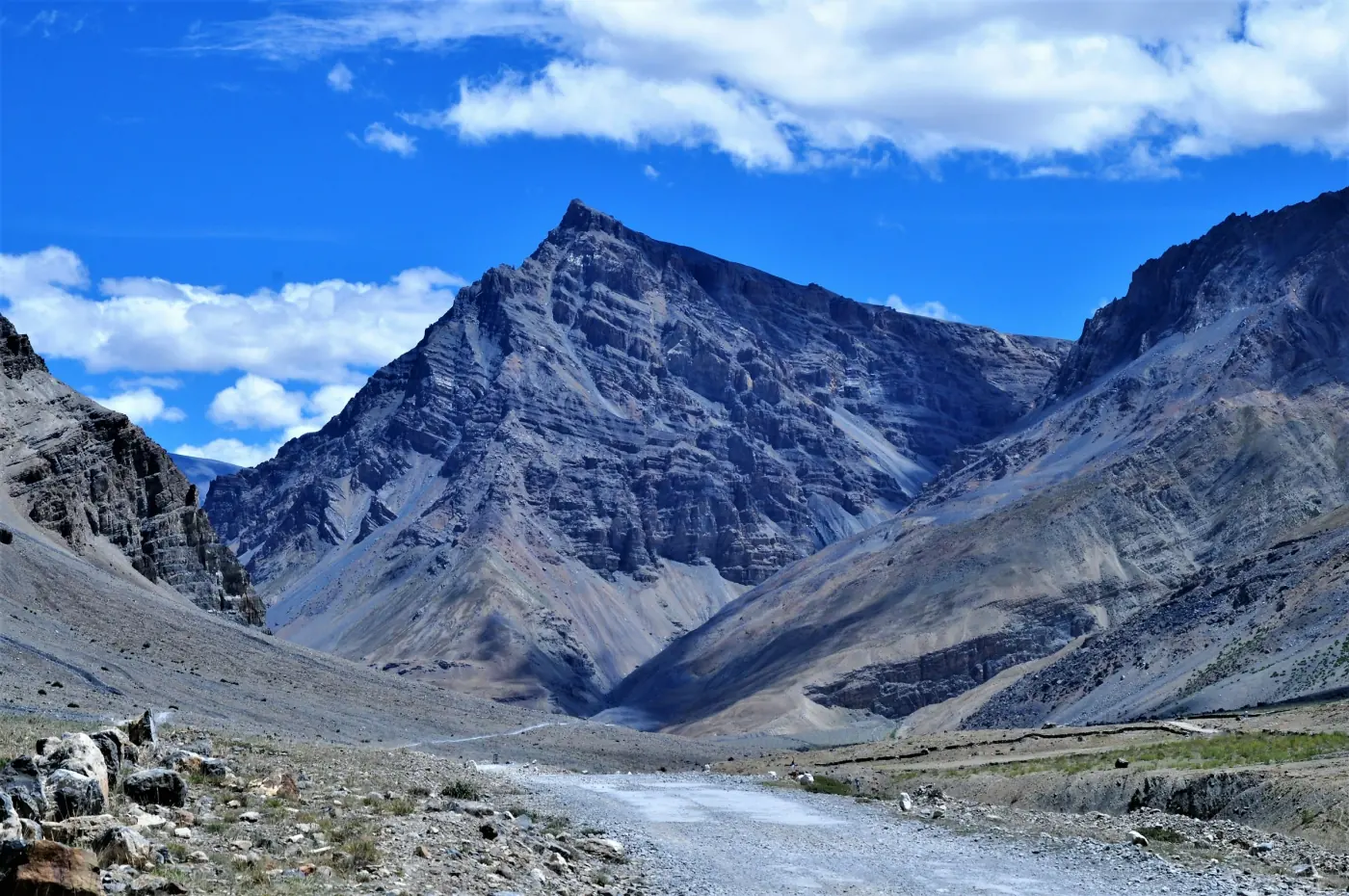
Cold desert in Spiti. Wet green in Wayanad. Eight climate zones inside one border, each arguing against the others.
A billion
first persons.
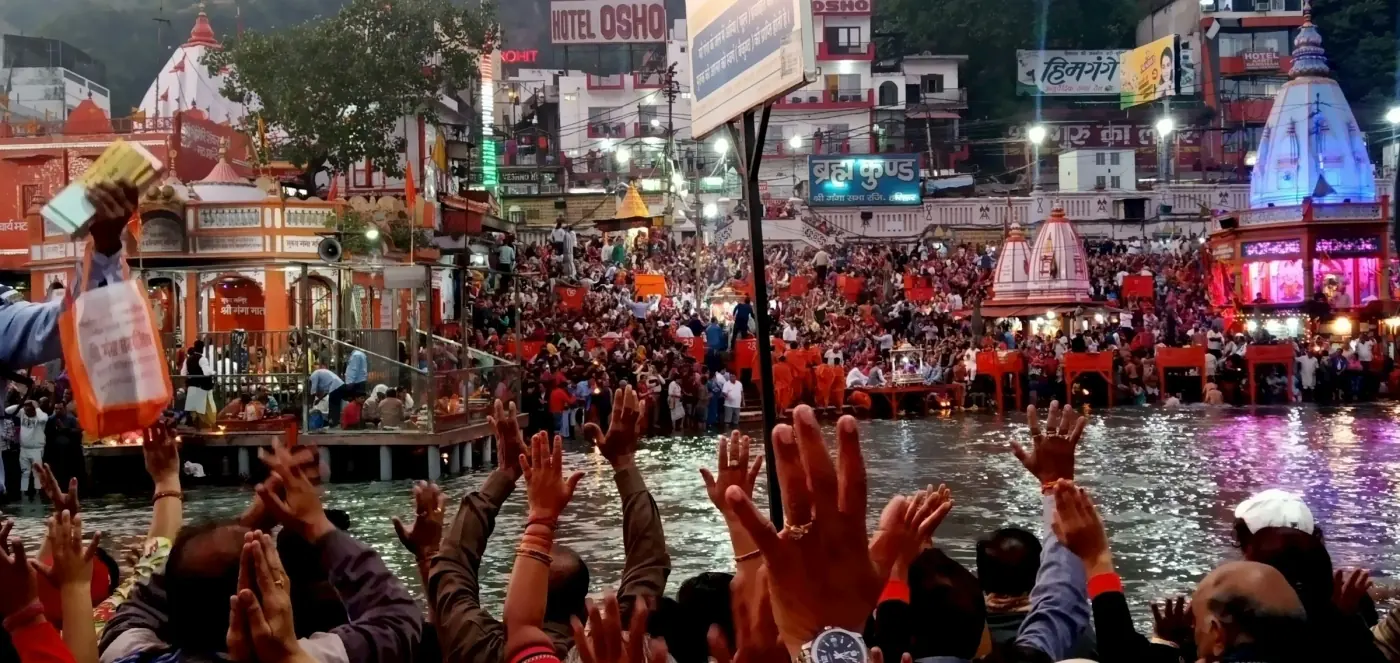
Not a population. A library of faces. Four and a half thousand distinct communities. Every train carriage is an anthology, and not a single paragraph paraphrases.
Twenty-two
tongues.
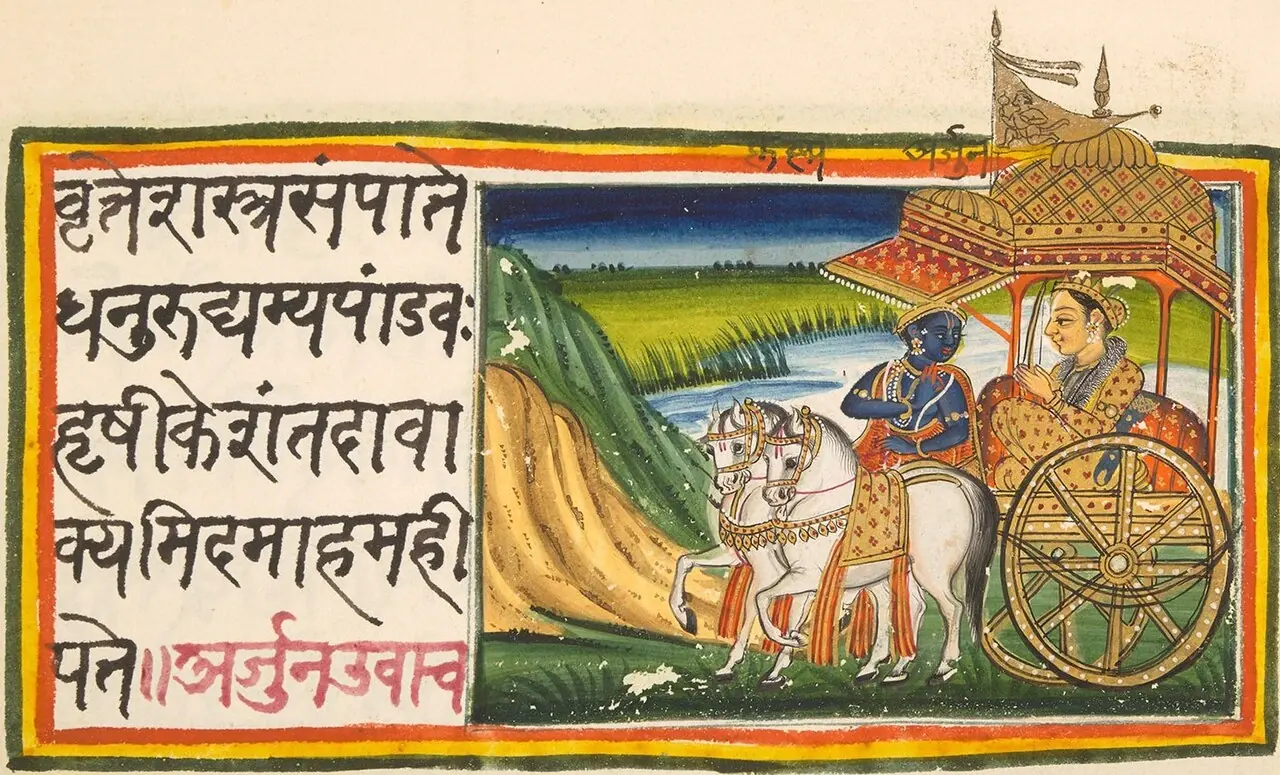
Twenty-two scheduled languages. Over a thousand mother tongues. Each one a different way of looking at the same sky.
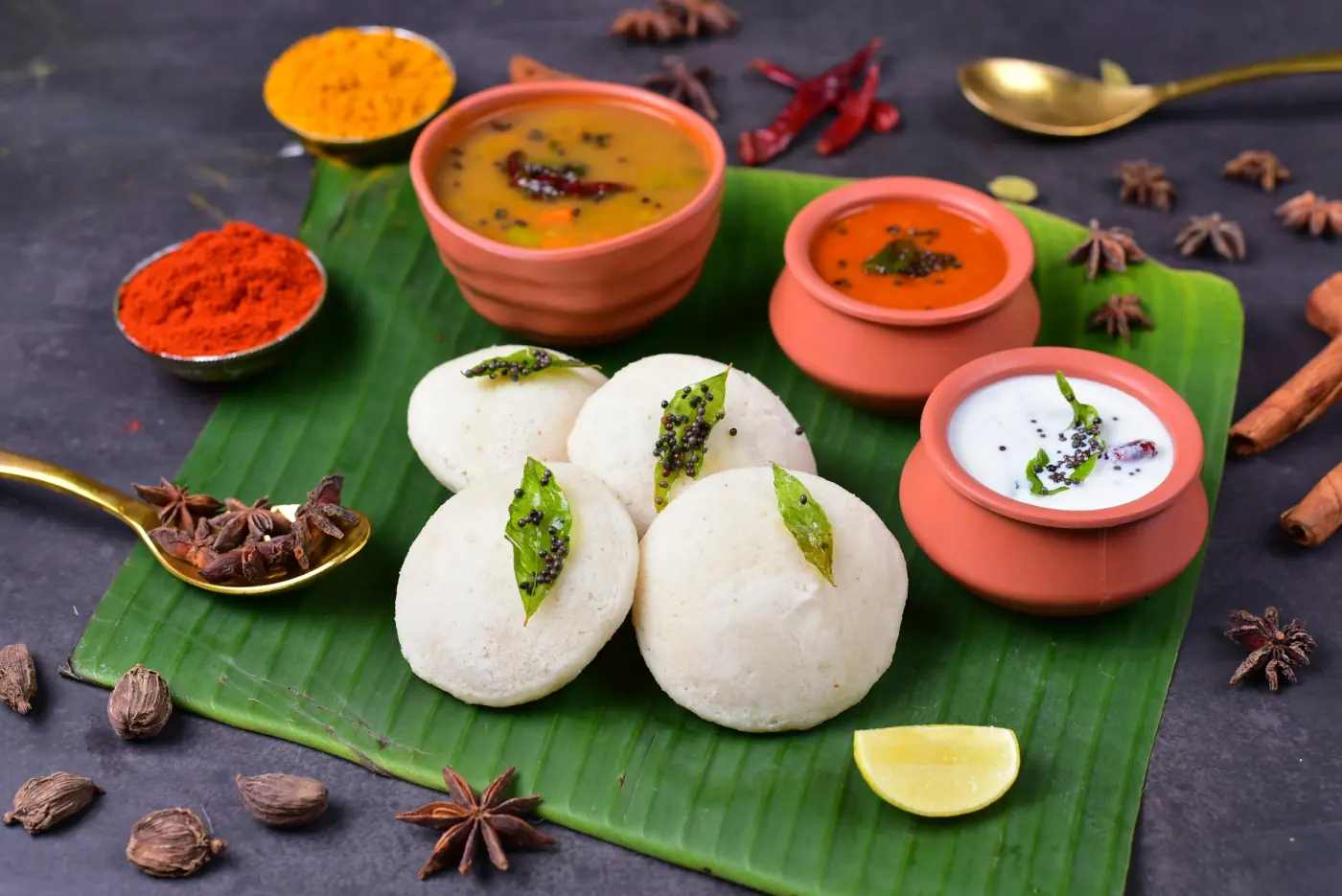
A meal is a
geography.
No single cuisine. Only the food of a particular morning, in a particular kitchen, in a particular state. The same lentil takes a different name every five hundred kilometres.
What the
noise hides.
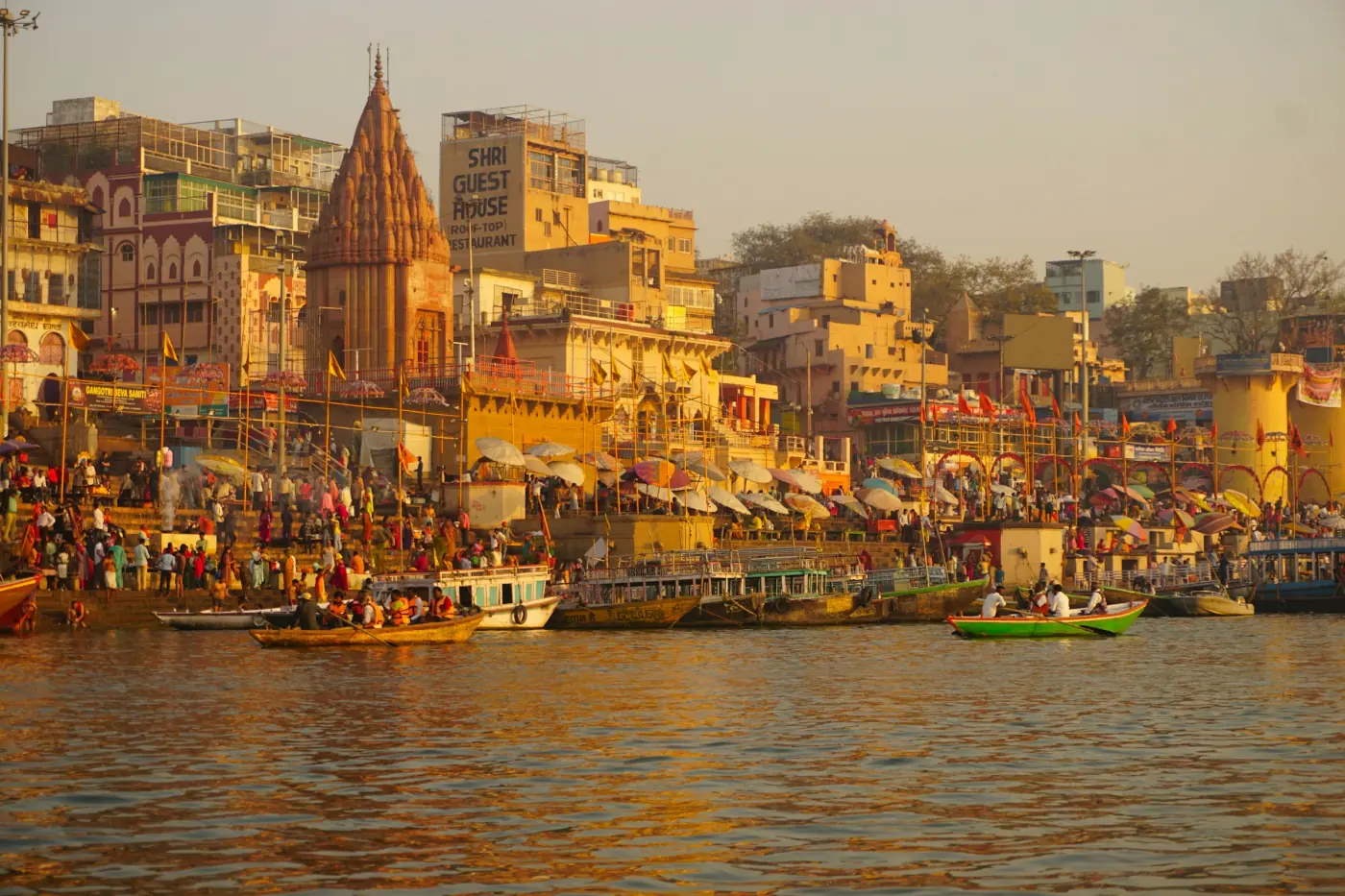
The crowded country is the contemplative one. Behind every market, a courtyard at four in the morning. The places the country uses to remember itself.
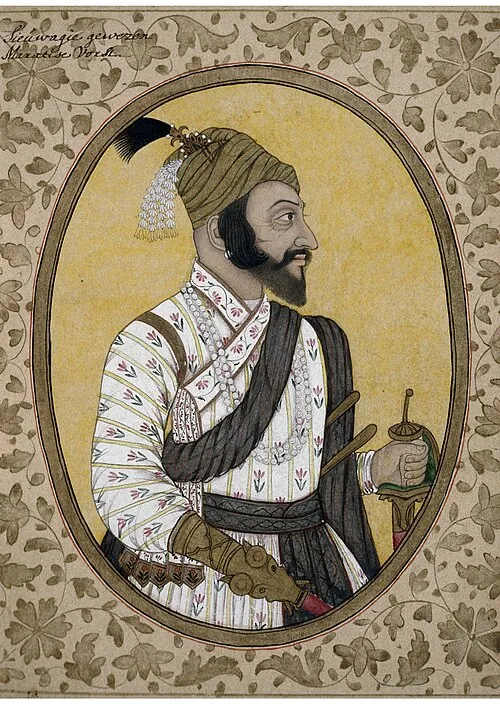
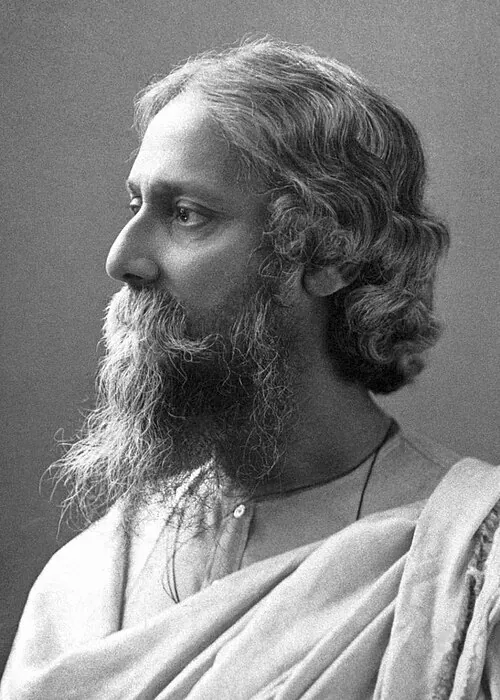
A billion first persons.
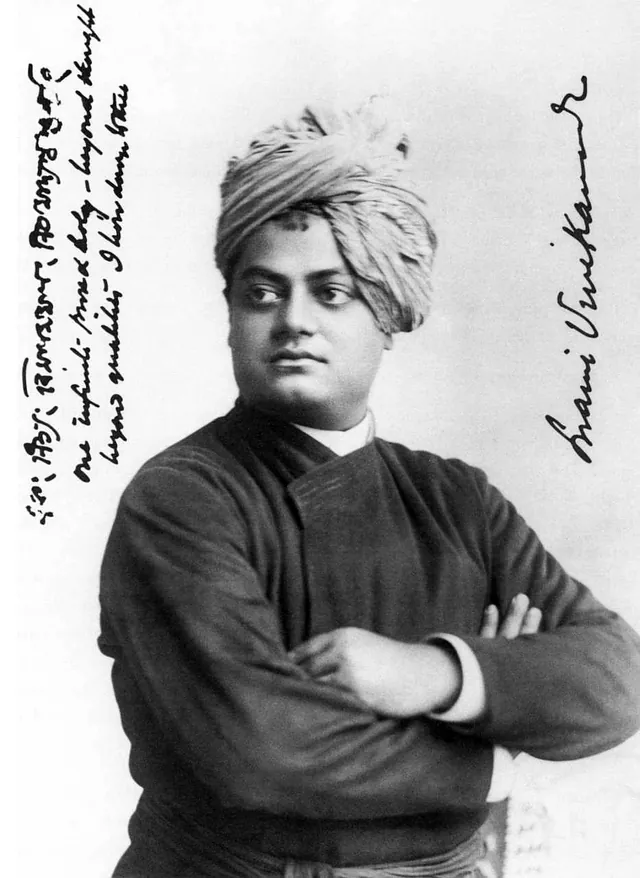
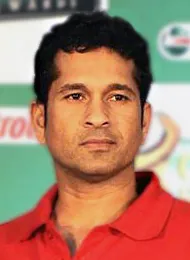
Not a population. A library of names, across four hundred years.
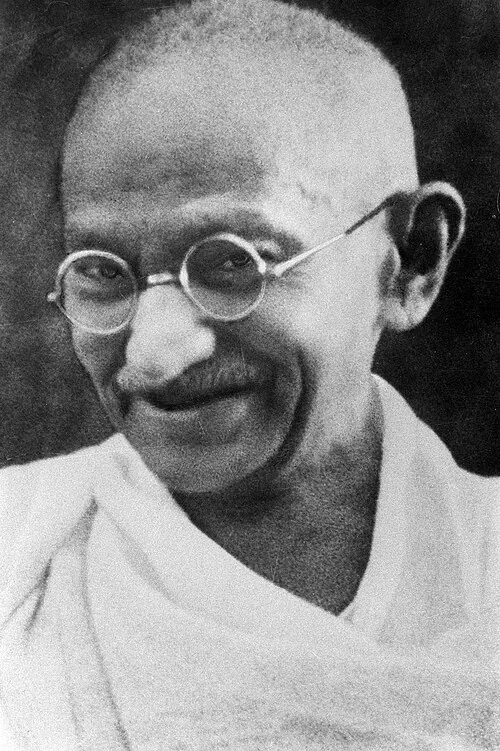
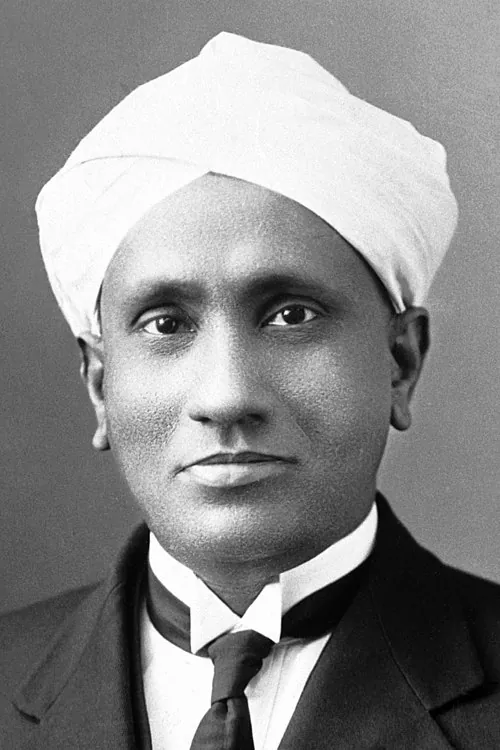
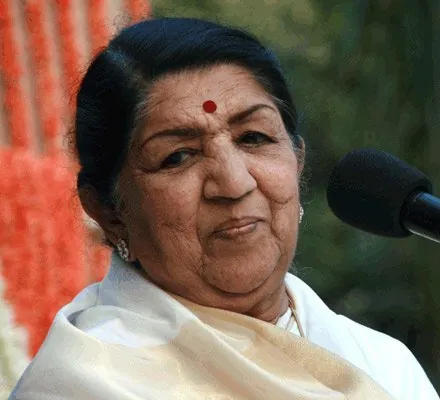
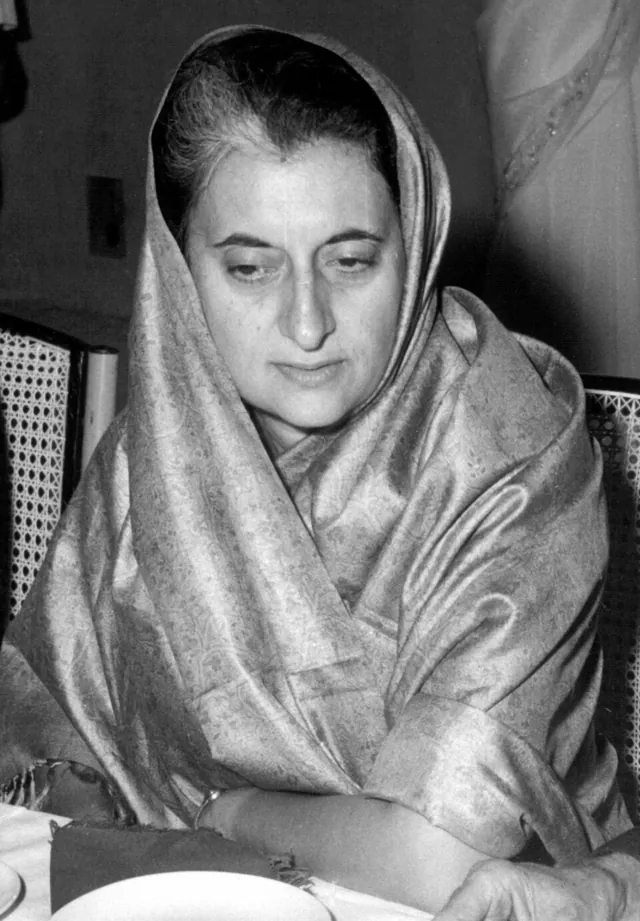
Older than empires.
Six verses, here before — and after — every dynasty.
Truth alone triumphs.
The whole world is one family.
Non-violence is the highest virtue.
Knowledge gives humility.
From darkness, lead me to light.
Where there is dharma, there is victory.